WhatsApp: +255 767 570 005
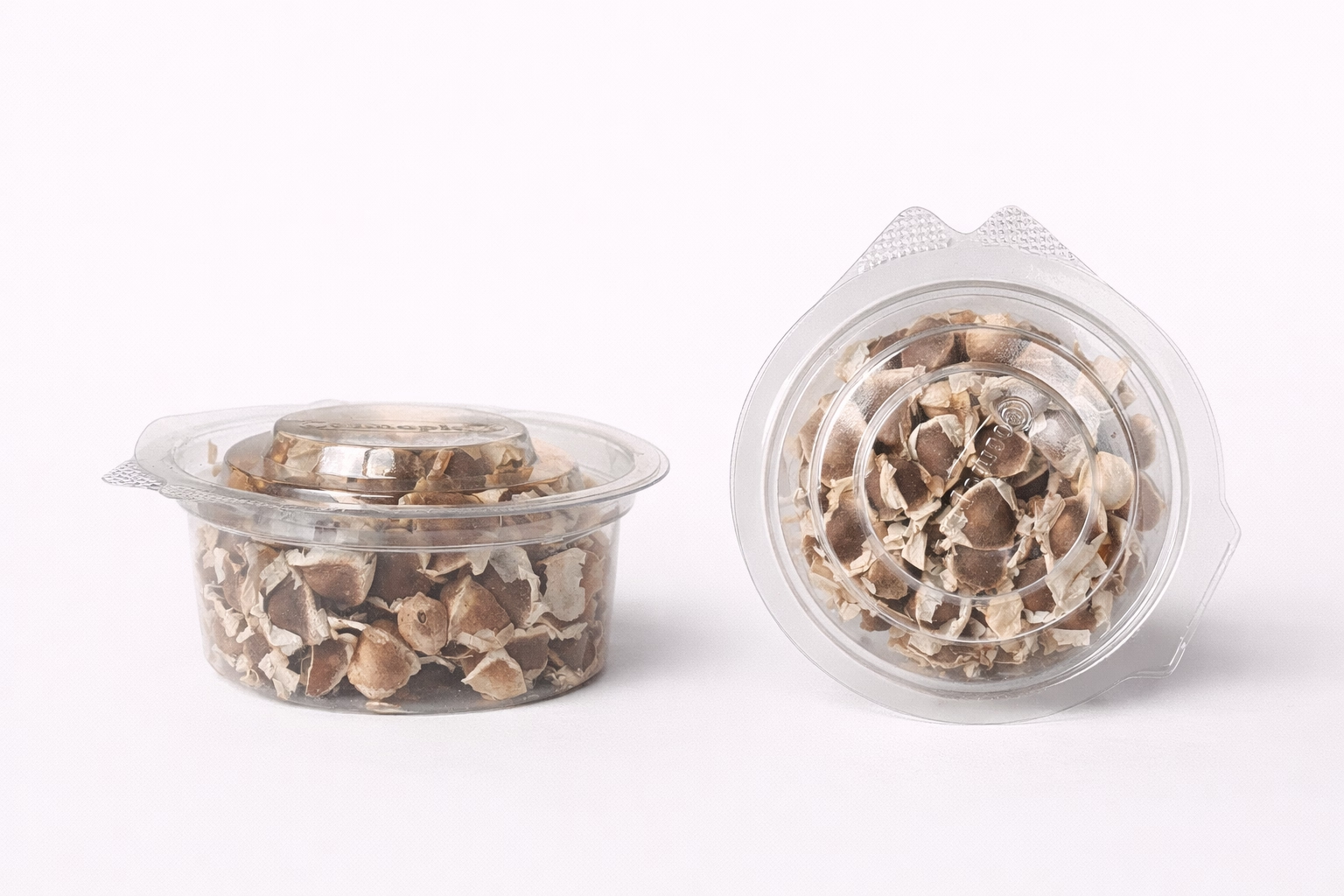
Moringa Seeds
$ 100
Moringa Seeds come from the Moringa oleifera tree and are traditionally used as food, for oil extraction, and in herbal wellness practices. They contain plant protein, natural oils, oleic acid, sterols, tocopherols, and other bioactive compounds. However, whole raw moringa seeds should be used cautiously because most human research has focused on moringa leaves rather than seeds, and the safety of regular high-dose seed consumption is not well established.
Moringa oleifera is widely valued in tropical regions for its nutritional and traditional uses. The seeds contain significant amounts of oil and protein. Reviews report that moringa seeds may contain roughly 19% protein and 31% fat on average, while the seed oil is particularly rich in oleic acid, a monounsaturated fatty acid also found in foods such as olive oil.
For your website, these seeds should be positioned mainly as a traditional nutritional and botanical product, rather than claiming they cure diabetes, hypertension, infections, infertility, or other medical conditions.
Potential Wellness Benefits
- Provides naturally occurring plant oils
- Contains protein and other nutrients
- Supplies monounsaturated fatty acids
- Contains plant sterols and tocopherols
- May provide antioxidant-related nutritional support
- Can form part of a varied wellness-focused diet when appropriately prepared
Research on Moringa oleifera as a whole plant has shown promising antioxidant, metabolic, and nutritional effects, but much of the available human evidence involves the leaves, not raw seeds.
Understanding Moringa Seeds
Moringa seeds differ importantly from moringa leaves.
Moringa leaves are commonly eaten as vegetables or powders and have considerably more human clinical research behind them. By contrast, reviews of moringa seeds note that direct pharmacological studies in humans are very limited. Many proposed seed benefits come from laboratory or animal research.
Therefore, it would be medically inaccurate to claim that eating the seeds has been clinically proven to:
- Cure diabetes
- Lower blood pressure reliably
- Treat cancer
- Cure infections
- Reverse infertility
- Treat arthritis
- Detoxify the body
Nutritional Composition
Moringa seeds are particularly known for their oil content.
Studies and reviews describe the seeds as containing:
- Protein
- Lipids
- Oleic acid
- Plant sterols
- Tocopherols
- Sulfur-containing amino acids
- Other plant compounds
Moringa seed oil, sometimes called Ben oil or Behen oil, can contain more than 70% oleic acid depending on the source and processing.
Important Safety Information
This section is particularly important for moringa seeds.
Some animal studies have found adverse effects from consuming crude or insufficiently processed moringa seeds, possibly related to natural compounds such as lectins and glucosinolates. A review specifically notes potentially harmful findings in rats fed crude or soaked seeds and emphasizes the limited evidence for direct human consumption of whole seeds.
This does not prove that ordinary human consumption is dangerous, but it does mean the product should not be promoted for unrestricted or high-dose daily intake.
For the website, a sensible statement is:
Consume only in small quantities and according to appropriate preparation or professional guidance. Do not exceed recommended use.
Who Should Use Extra Caution?
Professional advice is recommended before regularly consuming moringa seeds if you:
- Are pregnant or breastfeeding
- Have liver or kidney disease
- Take medication for diabetes
- Take blood-pressure medication
- Have a known plant or seed allergy
- Take several prescription medicines
- Plan to consume large amounts regularly
Research on moringa in humans is promising overall, but safety information for long-term, high-dose seed intake specifically remains limited.
Product Details
Product Name: Moringa Seeds
Botanical Name: Moringa oleifera
Product Type: Whole Botanical Seeds
Category: Natural Foods and Herbal Wellness
Primary Focus: Nutritional oils, plant protein, and general wellness
How to Use
Because I cannot verify a manufacturer dosage from the uploaded container, I would avoid putting a specific number of seeds per day on the website.
A safer product instruction is:
Use only according to the supplier’s preparation and serving instructions. Begin with a small amount and avoid excessive daily consumption.
If the seeds are intended for planting, oil extraction, or another purpose rather than direct consumption, that should also be stated clearly on the product page.
Moringa and Blood Sugar
Moringa is often marketed for diabetes. Recent reviews of human studies suggest possible effects of Moringa oleifera preparations on glucose metabolism, but the strongest human evidence is mostly from leaf preparations, and results remain inconsistent. More standardized clinical trials are needed.
Therefore, whole moringa seeds should not replace insulin, metformin, or other diabetes medicines.
Storage
- Store in a cool, dry place
- Protect from moisture
- Keep the container tightly closed
- Keep away from direct sunlight
- Keep out of reach of children
Related products
-
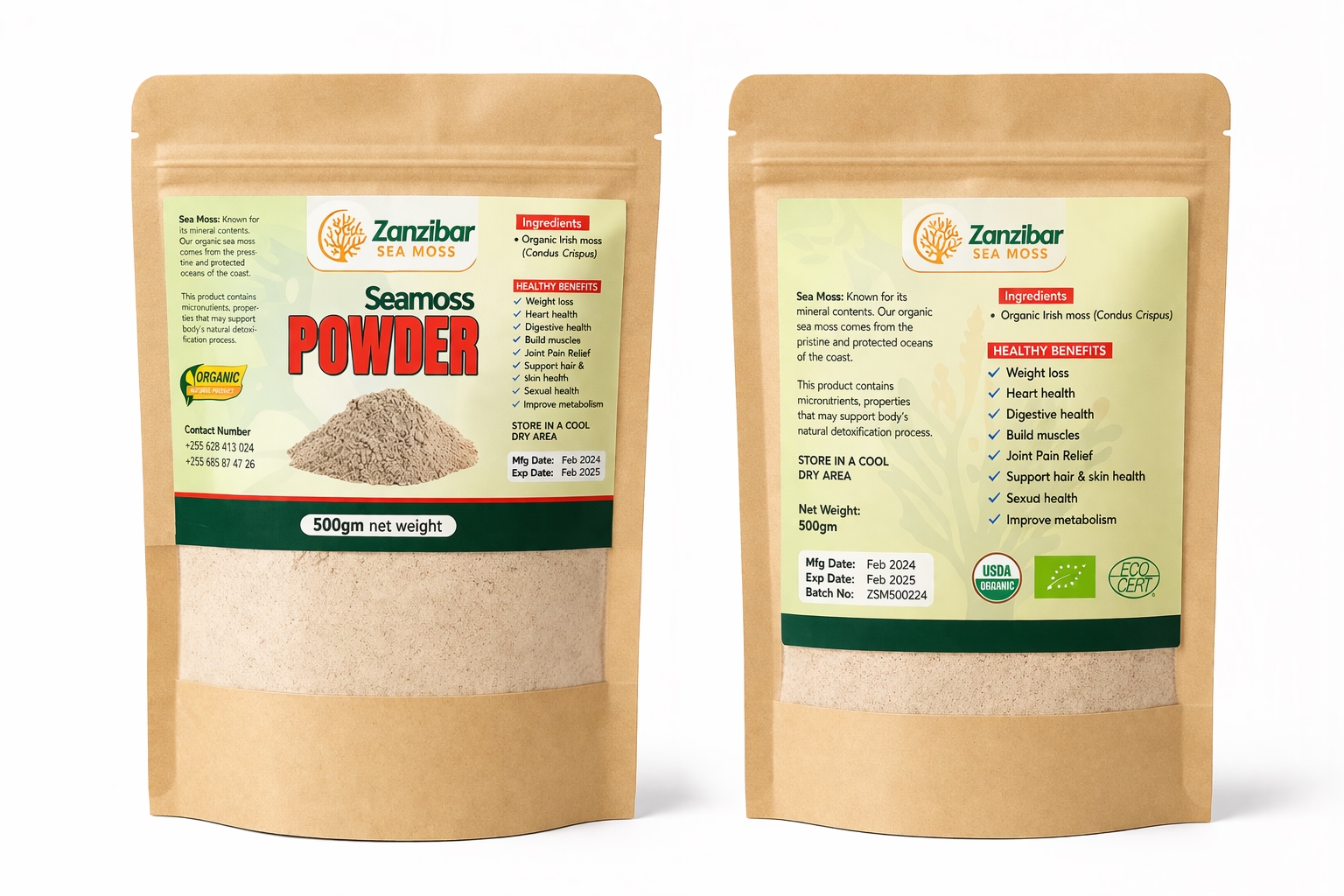
Zanzibar Sea Moss Powder
$ 100
Reviews
There are no reviews yet.